
By Brian Nelson, CFA
The market is once again worried about a potential government shutdown in the U.S., beginning on Sunday, as Congress works on a budget for fiscal 2024 through the rest of September. This recurring news has been a seasonal part of the market’s jitters every few years or so, however, and we’re not worried about what we would describe as an overhyped risk. A potential government shutdown in the U.S., if it happens, will inevitably be resolved, and while it tends to make for scary media headlines, it just doesn’t factor into the thesis of long-term investors. We don’t think readers should overreact.
That said, it’s hard to know how the markets may continue to perform with respect to the news flow regarding this matter, and when combined with the growing narrative that the Fed will keep interest rates “higher for longer” and continued inflationary wage pressures, the market continues to find reasons to take profits after a very strong first half to 2023. We expect the broader equity markets to continue to be choppy over the next couple months heading into the holiday season, but the recent sell-off from the late July highs seems more like a technical pattern bear trap than anything that may evolve into something worse. For risk-seeking options traders, put option candidates have become incrementally more attractive, however.
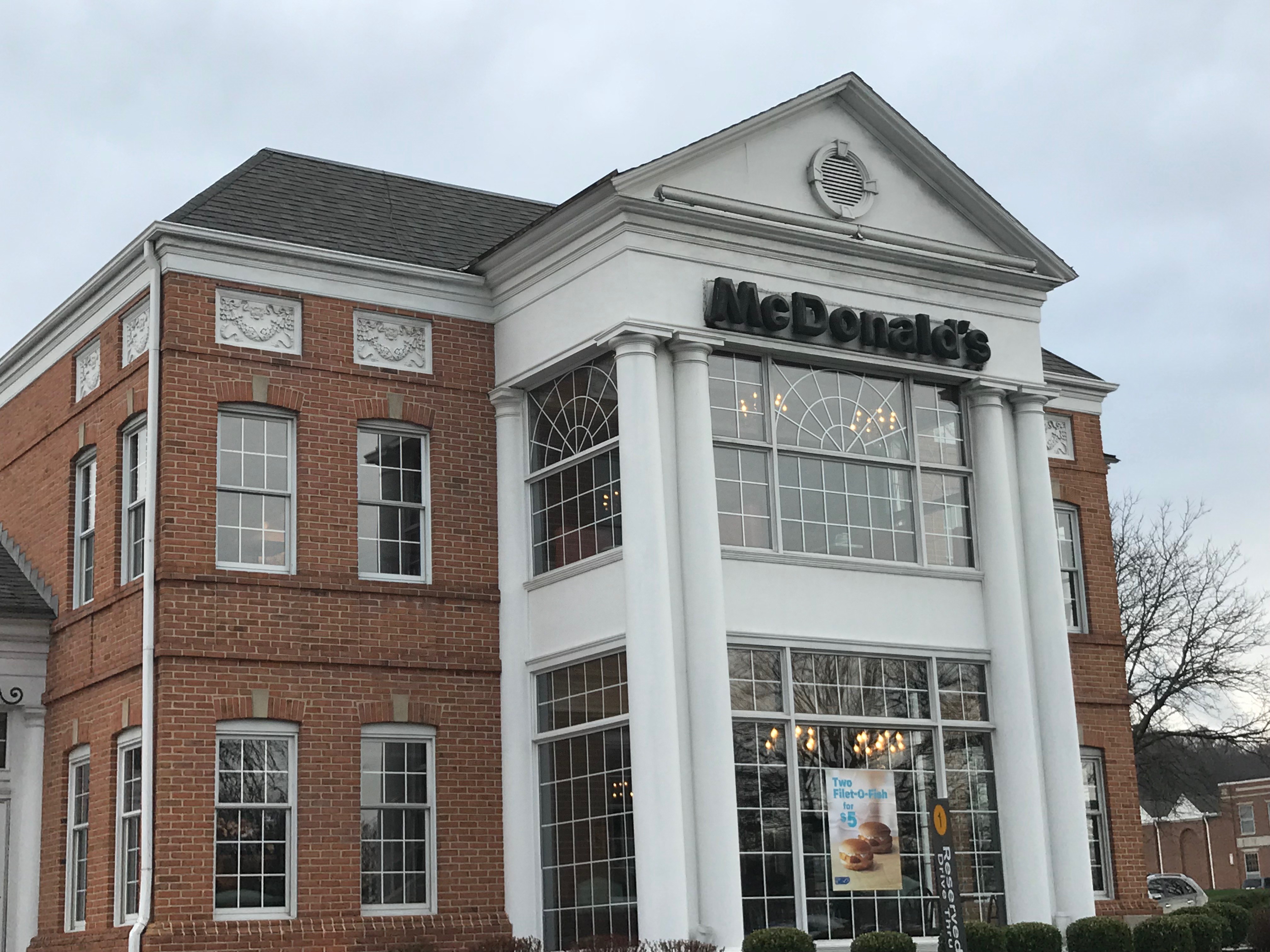
There are a few things in the news we wanted to make members aware of. For the first time in more than three decades, McDonald’s (MCD) is raising its franchise royalty fees to 5% from 4%, effective January 1, on brand new franchised restaurants and those looking to buy company-owned restaurants. The move may over time turn into the company charging more from existing franchised restaurants, and while a one percentage point impact on new franchised restaurants’ operating margins isn’t the end of the world, it does speak to McDonald’s continued margin focus with respect to its own corporate business. When it comes to mostly franchised businesses, investors must understand that franchisees are their major customers, not necessarily the restaurant goer. We still like McDonald’s as an idea in the Best Ideas Newsletter portfolio, and we won’t be making any changes as a result of its move.
Costco Wholesale (COST) is one of the most liked stocks within the retail arena, perhaps in part because of Charlie Munger’s participation on the board and his large investor following. A 10-year return of 440%+, excluding dividends, for Costco’s stock helps, too. Though we remain skeptical of the actual savings consumers can reap by shopping at membership warehouses versus Aldi or even Walmart (WMT) based on our channel checks, consumers love them for bulk buying and the convenience it brings. Adjusted comparable store sales for Costco for the 17 weeks ended September 3 came in at 3.8%, indicating a slowdown from the annual pace of 5.2% that it achieved during the trailing 53 weeks, and we’re not too surprised. Many private-label brands can be purchased in large quantities and for cheaper prices at Aldi and other big box retailers, namely Walmart. Our fair value estimate implies that its stock price is not cheap, and we won’t be adding Costco to any newsletter portfolio anytime soon.
Organized retail theft remains a big problem for retailers these days, and Dick’s Sporting Goods (DKS), Lowe’s (LOW), Macy’s (M), and Target (TGT) are among those that may be feeling the most pain from this ominous trend. Target announced September 26 that it would close nine stores that have been most impacted by theft and sometimes in-store violence in New York City, Seattle, San Francisco-Oakland, and Portland. The closures seem to make sense as these stores are likely low-margin given the shrink, if not unprofitable, and while the number of closings is tiny relative to Target’s sprawling store base, it may provide a modest boost to profitability. In any case, however, until organized retail crime is stopped in its tracks, most of the retail industry will continue to feel the pain from this trend, while margins are already being squeezed by a more cost-conscious consumer and rising labor expenses. The news, while disheartening, wasn’t completely unexpected.
———-
Brian Nelson owns shares in SPY, SCHG, QQQ, DIA, VOT, BITO, RSP, and IWM. Valuentum owns SPY, SCHG, QQQ, VOO, and DIA. Brian Nelson’s household owns shares in HON, DIS, HAS, NKE, DIA, and RSP. Some of the other securities written about in this article may be included in Valuentum’s simulated newsletter portfolios. Contact Valuentum for more information about its editorial policies.
Valuentum members have access to our 16-page stock reports, Valuentum Buying Index ratings, Dividend Cushion ratios, fair value estimates and ranges, dividend reports and more. Not a member? Subscribe today. The first 14 days are free.